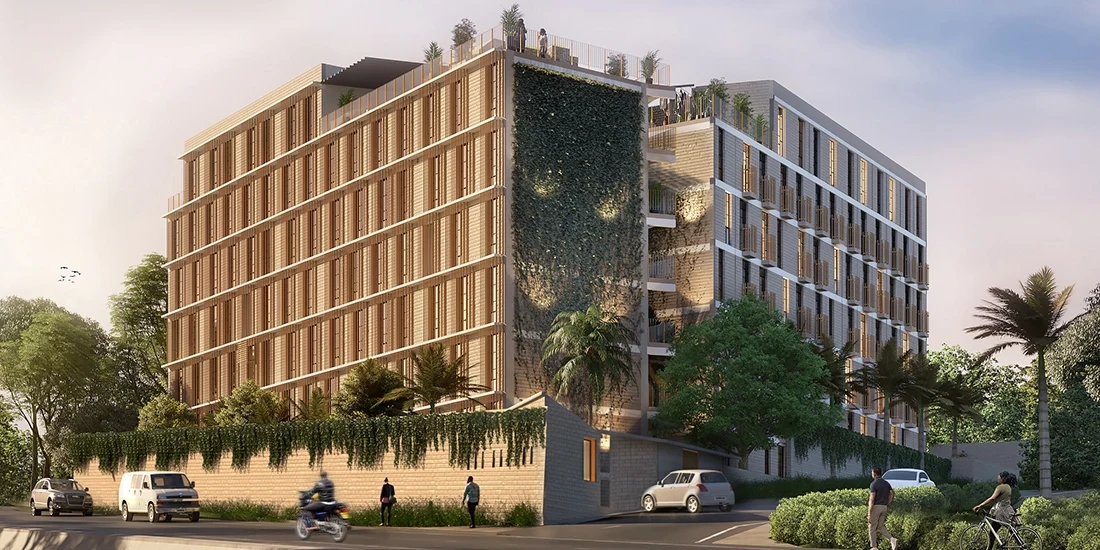
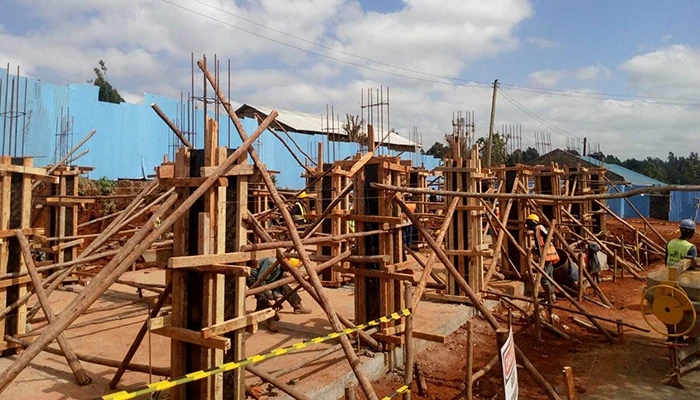
BuildX a commencé les travaux de Zima Homes en juin 2022 et achèvera le projet, qui a obtenu la certification préliminaire EDGE au début de l'année 2024.
L'entreprise a conçu le projet en début de pandémie de COVID-19. « À cette époque, nous nous sommes rendu compte que tout le monde était chez lui, mais souvent dans des conditions indécentes de logement », explique l'architecte Etta Madete Mukuba, fondatrice de Zima Homes et responsable des logements abordables chez BuildX. Elle ajoute que le fait de s'abriter sur place aurait pu être plus nocif que sain pour les personnes qui vivaient dans des maisons dépourvues d'une bonne ventilation ou d'un éclairage naturel. C'est ainsi qu'est né Zima Homes, qui fait référence au mot swahili zima, qui signifie « entier et sain ». Conçue pour les jeunes Kényans à faibles revenus, Zima Homes adoptera une approche holistique de la durabilité. « Il ne s'agit pas seulement d'intégrer la nature dans le bâtiment », ajoute Etta Madete Mukuba.
Par exemple, le projet assure le confort thermique grâce à une conception passive. « Nous voulons que les gens puissent profiter de l'espace sans avoir à utiliser l'air conditionné ou à allumer la lumière », poursuit l’architecte, qui précise que la ventilation transversale et les grandes fenêtres dotées de brise-soleil sont des éléments clés du projet. « À Nairobi, il existe une tendance populaire selon laquelle de nombreux nouveaux bâtiments se couvrent simplement de verre. Mais dans les climats tropicaux, construire un bâtiment en verre revient à créer une serre pour les gens. Vous aurez recours à la climatisation, qui consomme beaucoup d'énergie et n'est pas adaptée à l'environnement. »
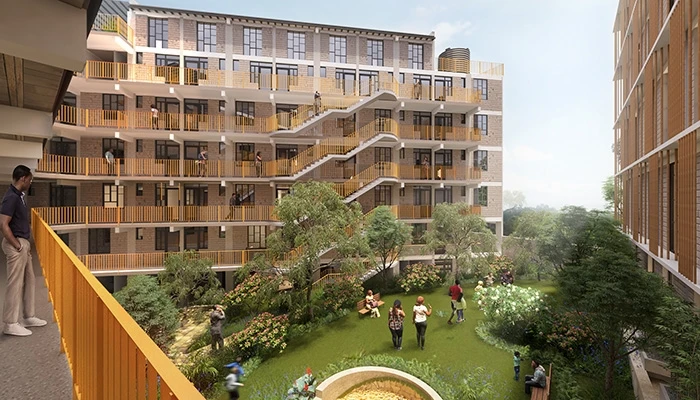
Parmi les autres caractéristiques durables, citons les installations de collecte des eaux de pluie et les appareils sanitaires à haut rendement, les panneaux solaires pour fournir de l'énergie propre et renouvelable aux parties communes (les unités individuelles seront prêtes pour l'installation ultérieure d'énergie solaire à leurs frais), un jardin paysager et un toit-terrasse verdoyant. En outre, les unités disposeront de balcons et de couloirs spacieux qui serviront d'espaces communs partagés.
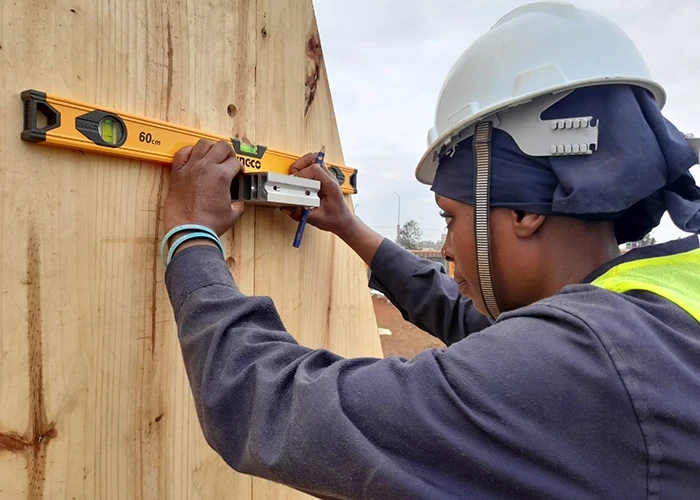
Et puis il y a les matériaux, dont beaucoup seront préfabriqués et dont la plupart proviendront de sources locales. Il s'agit notamment de panneaux muraux préfabriqués et de planchers en poutres et blocs. « Les matériaux préfabriqués sont plus durables que les matériaux ordinaires, car la construction prend moins de temps et leur qualité est contrôlée à l'usine », détaille Etta Madete Mukuba. « De plus, le système est modulable : vous ne faites les choses qu'une seule fois et vous pouvez ensuite les reproduire dans de nombreux projets, ce qui finit par réduire votre consommation globale. »
Selon Wekesa George, architecte chez BuildX, la technologie est un élément clé. « La durabilité exige un suivi des données afin de savoir si on a réellement l'impact souhaité », explique-t-il. « La technologie permet de le faire très facilement. »
Plus précisément, BuildX a conçu Zima Homes en utilisant Autodesk Revit, qui permet de créer des modèles numériques du projet afin de simuler et de comparer les performances environnementales de différents choix de conception. Par exemple, lorsque les architectes ont décidé d'utiliser des planchers à poutres et blocs, ils ont pu déterminer leur impact sur l'empreinte carbone du projet et sur l'efficacité opérationnelle du bâtiment par rapport à une dalle de béton traditionnelle. De même, ils ont pu effectuer des calculs qui les ont aidés à minimiser l'utilisation de certains matériaux sans compromettre l'intégrité structurelle du bâtiment.
« Cela nous permet d'explorer rapidement différents systèmes innovants, ce qui joue un rôle important dans l'efficacité de nos itérations de conception », poursuit Etta Madete Mukuba, qui ajoute que des technologies comme l'intelligence artificielle et la conception générative pourraient aider BuildX à automatiser ses conceptions au fur et à mesure qu'elle intensifie ses efforts. « Nous voulons construire 10 000 logements abordables d'ici 2030. L'automatisation jouera un rôle déterminant pour nous permettre d'atteindre cet objectif. »