BIM solutions for structural engineering
BIM solutions for structural engineering
With Autodesk software, structural engineers turn the most complex challenges into elegant, optimized solutions.
Image courtesy of BNIM.
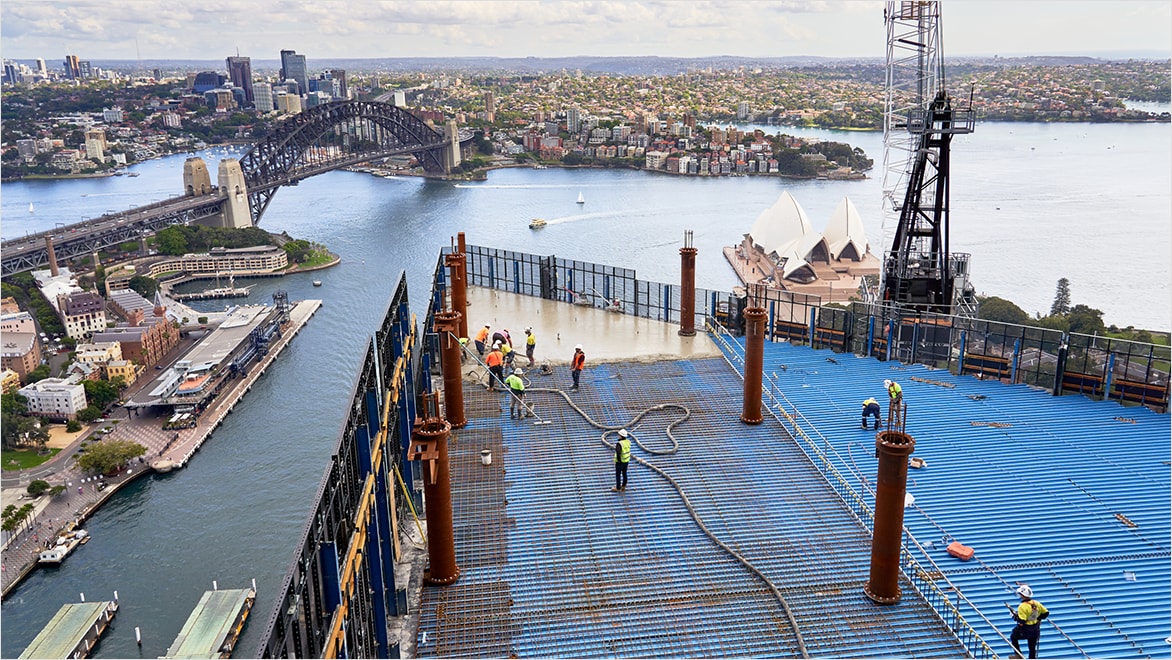
Structural engineering solutions for an evolving industry
Structural engineering solutions for an evolving industry
Tighter margins, increasingly complex projects—the pressure on structural engineers keeps growing.
Firms that use BIM and integrated engineering workflows adapt faster and deliver more efficiently and effectively. How? By eliminating repetitive tasks and increasing collaboration, so their teams can focus on solving complex problems.
Tighter margins, increasingly complex projects—the pressure on structural engineers keeps growing.
Firms that use BIM and integrated engineering workflows adapt faster and deliver more efficiently and effectively. How? By eliminating repetitive tasks and increasing collaboration, so their teams can focus on solving complex problems.
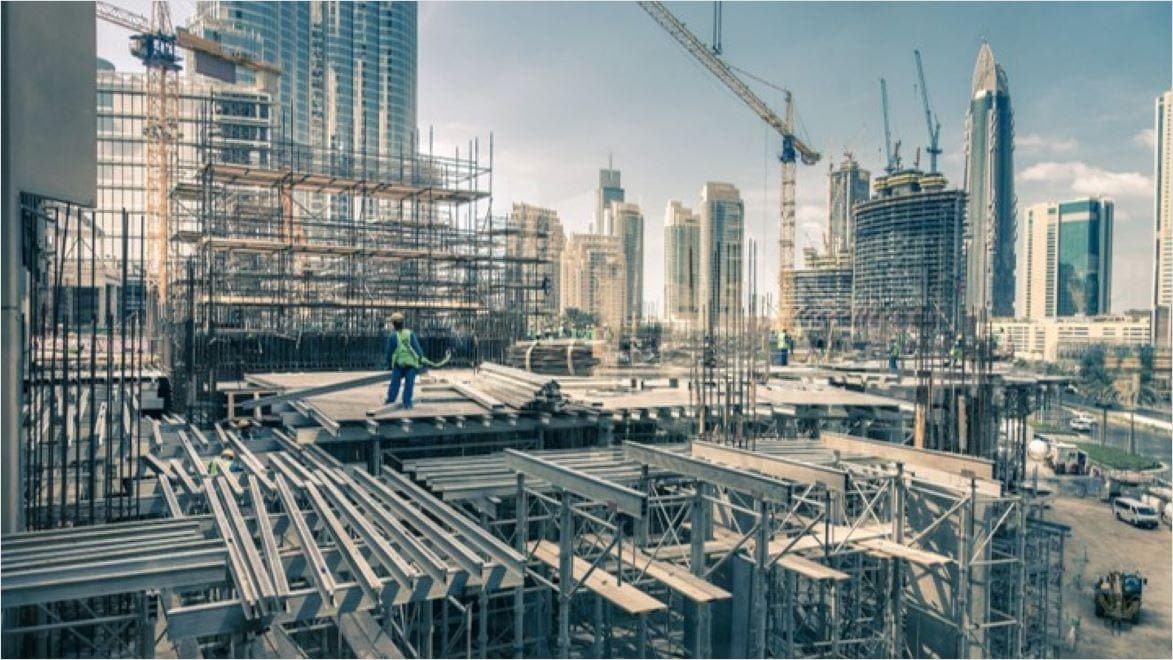
See what's new in Revit
See what's new in Revit
Want to go beyond design and documentation in Revit? Learn more about new features and functionality support engineering workflows for structural analytical modeling, concrete design, and steel design.
Want to go beyond design and documentation in Revit? Learn more about new features and functionality support engineering workflows for structural analytical modeling, concrete design, and steel design.
Integrated BIM workflows in action
Work in a single, shared model
Work in a single, shared model
With BIM, structural engineering and design shifts from a siloed environment to a unified design environment. This connects multidisciplinary teams securely, providing a single source of truth. Engineers can move upstream and begin working with architects on projects at the earliest stages without sacrificing the specialized tools they need.
Create multi-material structural models
Use parametric design to explore and propose design options
Automate tasks to save time on repetitive modeling
Use a unified design environment for data integrity and error reduction
With BIM, structural engineering and design shifts from a siloed environment to a unified design environment. This connects multidisciplinary teams securely, providing a single source of truth. Engineers can move upstream and begin working with architects on projects at the earliest stages without sacrificing the specialized tools they need.
Create multi-material structural models
Use parametric design to explore and propose design options
Automate tasks to save time on repetitive modeling
Use a unified design environment for data integrity and error reduction
Structural analytical modeling in Revit
Structural analytical modeling in Revit
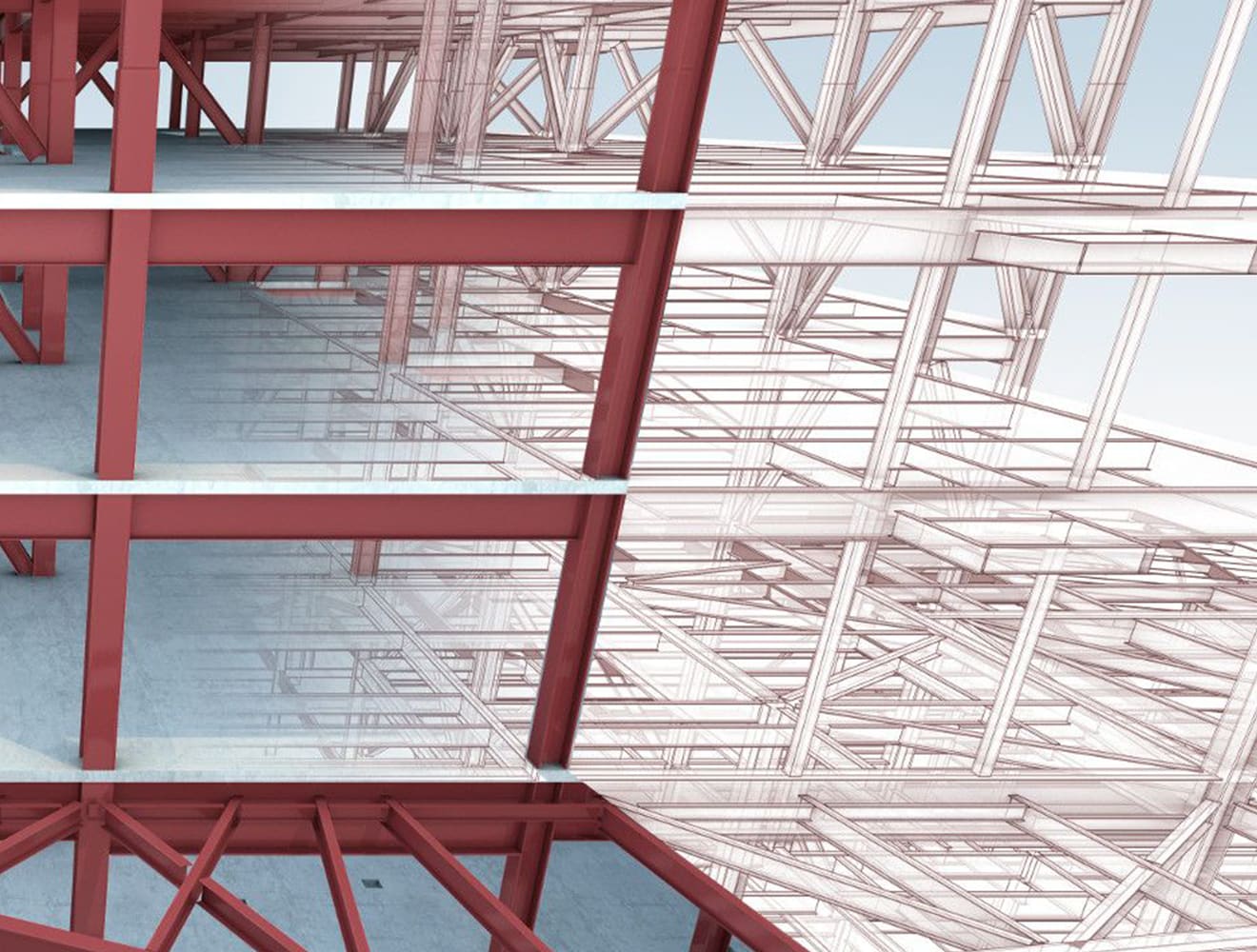
Structural analytical modeling in Revit enables engineers to coordinate between physical and analytical models and facilitates BIM-centric analysis workflows within Revit, allowing bidirectional interoperability between Revit and analysis software. See how it works in this Structural Analytical Modeling in Revit demo video.
Structural analytical modeling in Revit enables engineers to coordinate between physical and analytical models and facilitates BIM-centric analysis workflows within Revit, allowing bidirectional interoperability between Revit and analysis software. See how it works in this Structural Analytical Modeling in Revit demo video.
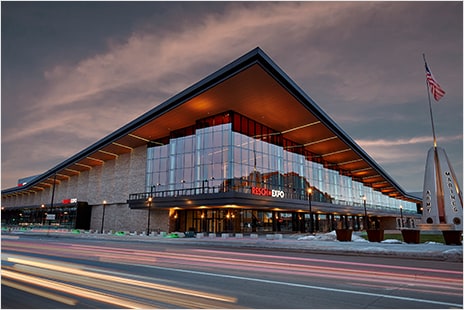
"We’re able to layer connection information into our structural engineering models from the very beginning. Having the information synced and linked into the 3D environment is really awesome."
"We’re able to layer connection information into our structural engineering models from the very beginning. Having the information synced and linked into the 3D environment is really awesome."
– Michael Vogel, Principal, GRAEF
– Michael Vogel, Principal, GRAEF
BIM for structural engineering: Key benefits
Reduce errors and rework
Reduce errors and rework
Identify errors earlier on, coordinate changes, and reduce rework down the line with a centralized 3D model where all stakeholders have visibility.
Identify errors earlier on, coordinate changes, and reduce rework down the line with a centralized 3D model where all stakeholders have visibility.
Improve team collaboration
Improve team collaboration
Create a single, digital source of truth that all stakeholders can access and contribute to. Connect your model via the cloud giving the entire project team access to accurate information whenever they need it.
Create a single, digital source of truth that all stakeholders can access and contribute to. Connect your model via the cloud giving the entire project team access to accurate information whenever they need it.
Enhance design quality
Enhance design quality
Advanced analysis plus parametric design tools support optioneering and optimization from concept through shop drawings.
Advanced analysis plus parametric design tools support optioneering and optimization from concept through shop drawings.
Reduce overall design time
Reduce overall design time
Eliminate repetitive tasks by automating processes to reach optimized and detailed design solutions faster.
Eliminate repetitive tasks by automating processes to reach optimized and detailed design solutions faster.
Structural analytical modeling in Revit
Structural analytical modeling in Revit
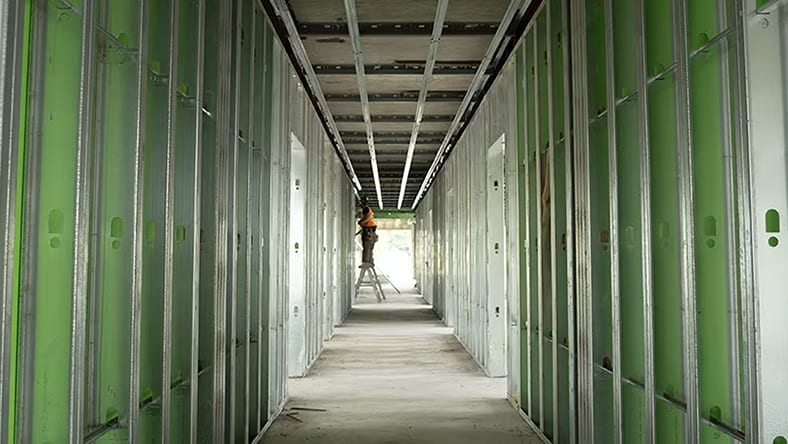
Canam reduces site issues 10x
Canam reduces site issues 10x
Working live in a single, shared Revit model makes catching errors exponentially easier.
Working live in a single, shared Revit model makes catching errors exponentially easier.

From five hours to seconds
From five hours to seconds
LERA uses integrated engineering tools in Revit to optimize designs and eliminate repetitive tasks. The results have been transformative firm wide.
LERA uses integrated engineering tools in Revit to optimize designs and eliminate repetitive tasks. The results have been transformative firm wide.
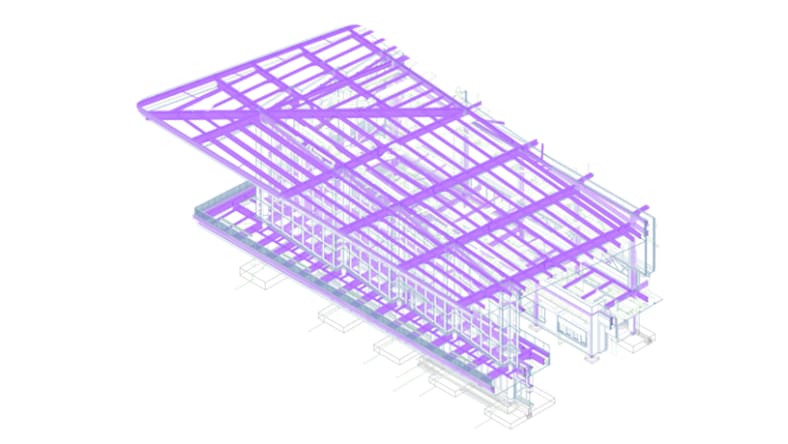
Integrated BIM workflows cut months off timelines
Integrated BIM workflows cut months off timelines
GRAEF engineers design, analyze, and detail in Revit, which saves time and builds skills.
GRAEF engineers design, analyze, and detail in Revit, which saves time and builds skills.

BIM expertise builds global profile
BIM expertise builds global profile
B&GE's mastery of integrated engineering has elevated its market position and opened the door to higher profile projects.
B&GE's mastery of integrated engineering has elevated its market position and opened the door to higher profile projects.

Pioneering facade made possible with BIM
Pioneering facade made possible with BIM
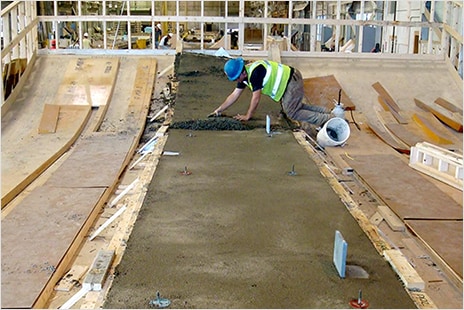
Gate Precast helped museum designers create a non-repeating pattern for a 350-panel facade using only 12 molds.
Gate Precast helped museum designers create a non-repeating pattern for a 350-panel facade using only 12 molds.
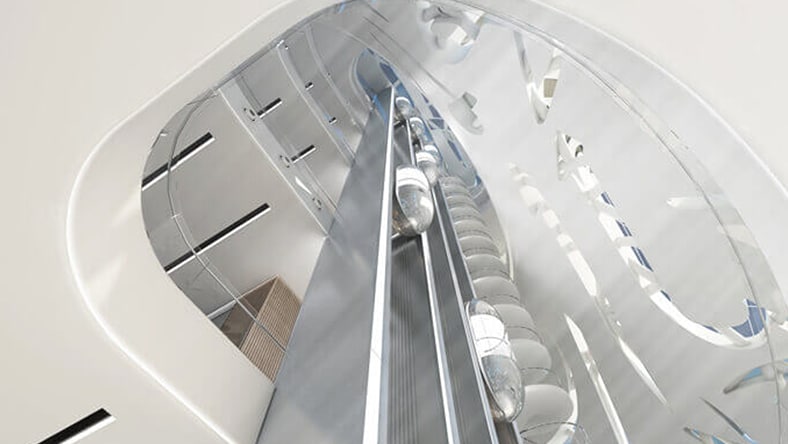
Complex design realized with BIM
Complex design realized with BIM
With its audacious floating form, Dubai's Museum of the Future might be the most complex building ever made. One carried from concept to construction on the back of BIM.
With its audacious floating form, Dubai's Museum of the Future might be the most complex building ever made. One carried from concept to construction on the back of BIM.
Strategic industry partners for structural engineering
From highly-specialized tools for structural engineering to data management platforms that connect Revit, AEC industry partners can help you get even more from your Autodesk tools.


"We’re able to layer connection information into our structural engineering models from the very beginning. Having the information synced and linked into the 3D environment is really awesome."
"We’re able to layer connection information into our structural engineering models from the very beginning. Having the information synced and linked into the 3D environment is really awesome."
– Michael Vogel, Principal, GRAEF
– Michael Vogel, Principal, GRAEF
Autodesk software for structural engineering
Get in touch
Contact us to discuss your structural engineering needs and learn more about how Autodesk software can help you engineer elegant solutions to the most complex challenges.
Contact us to discuss your structural engineering needs and learn more about how Autodesk software can help you engineer elegant solutions to the most complex challenges.
Get in touch
Contact us to discuss your structural engineering needs and learn more about how Autodesk software can help you engineer elegant solutions to the most complex challenges.
Contact us to discuss your structural engineering needs and learn more about how Autodesk software can help you engineer elegant solutions to the most complex challenges.
Frequently asked questions (FAQ)
What Autodesk software do structural engineers use?
Autodesk Revit: Revit is a building information modeling (BIM) software that allows structural engineers to design, model, and analyze building structures in a collaborative environment. It provides tools for creating 3D models, generating construction drawings, performing analysis, and coordinating with other disciplines.
Autodesk Robot Structural Analysis Professional: Robot Structural Analysis Professional is a comprehensive software for advanced structural analysis and simulation. It enables engineers to perform static, dynamic, and nonlinear analysis of structures.
Autodesk Advance Steel: Advance Steel is a specialized software for structural steel detailing and fabrication. It allows structural engineers to create detailed 3D models, generate fabrication drawings, and coordinate with other trades involved in the construction process
What are the two major types of structural analysis?
Static analysis involves the study of a structure's response to static loads, which are forces that do not change over time such as gravitational forces, wind, or other constant loads.
Dynamic analysis focuses on a structure's response to dynamic loads, which are forces that change over time that can include vibrations, seismic activity, wind gusts, or moving loads such as vehicles or machinery.
What is structural engineering?
Structural engineering is a branch of civil engineering that focuses on the design, analysis, and construction of structures such as buildings, bridges, dams, and towers. Structural engineering plays a crucial role in ensuring the safety and functionality of buildings and infrastructure projects.
Is BIM useful for structural engineering?
Key benefits of using BIM in structural engineering:
Enhanced collaboration: BIM facilitates collaboration and coordination among different project stakeholders, including architects, engineers, contractors, and owners. It allows real-time sharing and access to project information, reducing errors and conflicts between disciplines.
Improved design visualization: BIM enables structural engineers to create detailed 3D models of the building or structure, allowing for better understanding and communication of complex structural systems.
Clash detection and coordination: BIM software can automatically detect clashes and interferences between various building elements, allowing for early identification and resolution of conflicts, reducing construction delays and rework.
Efficient design and analysis: BIM tools provide powerful analysis capabilities, allowing structural engineers to perform structural analysis, load calculations, and simulations directly within the BIM environment. This integration streamlines the design process and enables engineers to make informed decisions based on accurate and up-to-date information.
Improved construction documentation: BIM software assists in generating accurate construction documentation, including detailed drawings, schedules, and material take-offs. This helps reduce errors, improves construction efficiency, and supports better cost estimation and project planning.
Lifecycle management: BIM extends beyond the design and construction phase and supports the management of a structure throughout its lifecycle. BIM models can be utilized for facility management, maintenance planning, and renovation projects, ensuring the availability of accurate and comprehensive data.
How is AI used in structural engineering?
AI is used in structural engineering for tasks such as structural analysis, design optimization, and generating optimized structural forms.
Automate modeling tasks in BIM software, assist in clash detection, and improve coordination between structural elements.
Help with structural health monitoring by analyzing sensor data to detect issues and enable proactive maintenance.
Use predictive analytics to assess structural behavior, identify risks, and estimate the probability of failure.
Aid in construction planning and optimization by optimizing resource allocation and scheduling.
Automate code compliance checking to ensure designs meet safety standards.
AI-powered natural language processing helps with efficient retrieval of information from textual documents in structural engineering.
Does Autodesk software connect structural design and detailing?
Autodesk software provides solutions that connect structural design and detailing processes by enabling seamless collaboration and data exchange between structural engineers and detailers, ensuring a smooth transition from design to detailing.
Autodesk Revit: Revit is a BIM software that allows structural engineers to create detailed 3D models of buildings and structures. These models contain intelligent objects, such as walls, columns, beams, and slabs, which carry information about their properties and relationships. This information-rich model can then be shared with detailers for further development and creation of detailed construction drawings.
Autodesk Advance Steel: Advance Steel connects structural design and detailing. It provides advanced tools for modeling and detailing steel structures. Advance Steel allows structural engineers to transfer their design models to detailers, who can then generate fabrication drawings, connection details, and bills of materials, all while maintaining the integrity of the original design.
Is Revit or AutoCAD better for structural design?
Both Autodesk Revit and AutoCAD are widely used in the field of structural design. The choice between the two depends on the specific requirements of the project, the complexity of the design, and personal preferences. Revit is well-suited for complex, integrated BIM workflows where collaboration and coordination with other disciplines are crucial. AutoCAD is often preferred for 2D drafting and detailing tasks, especially for projects that don't require the full BIM capabilities of Revit.
What trends are affecting structural engineering?
Several trends are shaping the way structural engineers approach design, analysis, and construction:
Sustainability and green design: Structural engineers are incorporating sustainable materials, energy-efficient systems, and environmentally friendly design strategies to reduce the environmental impact of structures. This includes the use of renewable energy sources, efficient insulation, and sustainable construction techniques.
Digitalization and automation: BIM is becoming the industry standard, enabling efficient collaboration, clash detection, and information sharing among project stakeholders. Automation tools, such as generative design and optimization algorithms, are being used to streamline the design process and improve structural performance.
Advanced analysis and simulation: Structural engineers are increasingly utilizing advanced analysis and simulation techniques to optimize structural designs. These tools help engineers accurately assess structural behavior, predict performance under various loads, and optimize designs for efficiency and safety.
Prefabrication and modular construction: Prefabrication and modular construction methods are gaining popularity in the industry. These approaches involve manufacturing components off-site and assembling them on-site, offering benefits such as reduced construction time, improved quality control, and minimized waste.
What is Robot Structural Analysis software?
Robot Structural Analysis software, developed by Autodesk, is a comprehensive tool used by structural engineers for analyzing and designing structures. It performs various types of analysis, incorporates international building codes, integrates with BIM workflows, and offers optimization capabilities. It helps engineers create safe and efficient structural designs for buildings, bridges, and other infrastructure projects.