04

Convergence is key for resilient organizations


Convergence connects the capabilities organizations need to adapt

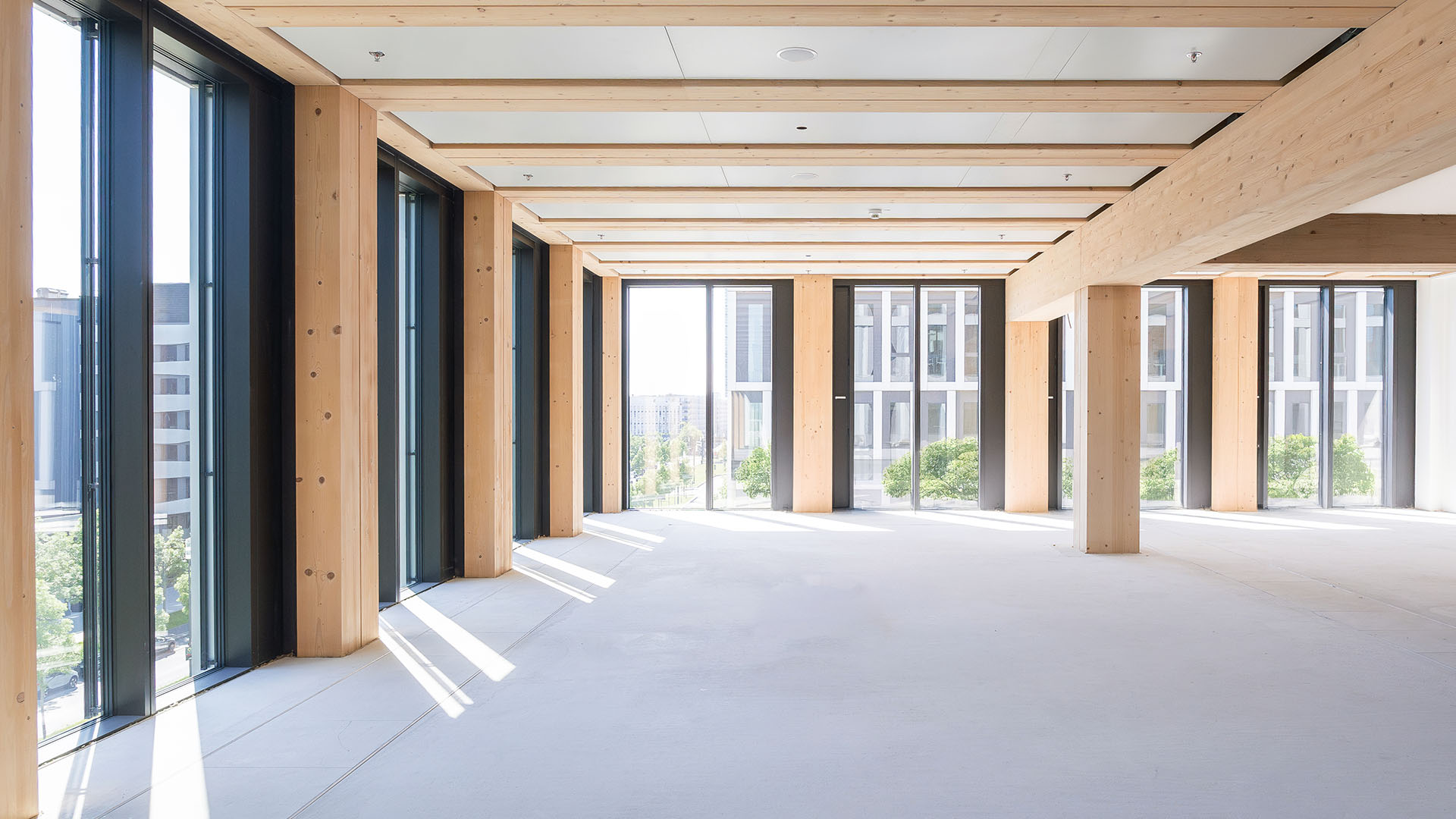
Office space featuring exposed wood, steel, and tall windows.

Organizations are increasingly solving problems that extend beyond a single discipline, workflow, or industry. As products become more connected and projects more complex, competitive advantage increasingly comes from connecting the right data, technologies, expertise, and workflows—not simply optimizing individual steps in isolation.

In this report, convergence describes the ability to connect data, workflows, teams, technologies, and expertise across the Design-Make-Operate lifecycle and across industries. Organizations that build these connections make better decisions, collaborate earlier, and respond more quickly as customer needs and technologies evolve.

As Rob Dickins, Autodesk Chief of Staff and VP, Incubation, explains, “Convergence is happening in three ways: across industries, across the lifecycle, and between the digital and physical worlds. Construction needs to become more disciplined like manufacturing, while manufacturing needs to become more flexible like construction.”

Convergence doesn’t replace digital transformation, artificial intelligence (AI), or sustainability. It connects those capabilities into a stronger operating model.

3 in 4

orgs seek innovation outside their industry (Autodesk’s 2026 AI Pulse study)


68%

adopt digital techniques and tools from other industries (Autodesk’s 2026 AI Pulse study)


92%

of Pacesetters are more likely to introduce new products or service than mainstream orgs at 66% 


Organizations increasingly look beyond their own industries

Survey question: To what extent do you agree or disagree that your company or organization is doing the following to be more resilient? Percent selected, multiple responses allowed. Mainstream and Pacesetter definitions.

Convergence begins with curiosity. Seventy-five percent of organizations now seek inspiration for innovation outside their own industry, while 68% report adopting digital techniques and tools from other industries.

Compared with mainstream organizations, Pacesetters are substantially more likely to enter new markets (87% vs. 65%) and introduce new products or services (92% vs. 66%). The findings suggest that organizations willing to learn from outside their traditional boundaries are often better positioned to innovate within them.

“I strongly believe that house construction will take place in factories with a high level of robotization, similar to the car industry (modular construction), and construction sites will be transformed into assembly environments,” says Rafael Passos Valadares, engineering director at Grupo Direcional, a residential construction company based in Belo Horizonte, Brazil.

“Pacesetters are inherently curious. They’re humble enough to know that the only way you get better is by listening to others—and they’re open to translating what works in other industries into their own world.”

— Rob Dickins, Chief of Staff and VP, Incubation, Autodesk

Cross-industry convergence is on the rise

Survey question: How much do you agree or disagree with the following? 5-point scale, top two = “somewhat agree” and “strongly agree.” Source: Autodesk's 2025 State of Design & Make Digital Transformation Pulse and 2026 State of Design & Make AI Pulse.

Headshot of Alex Turner

“The construction industry has now adopted technologies from the aerospace industry and adopted technology from manufacturing, and you can now see the positive impact of these implementations.”

— Alex Turner, Digital Construction Director, Oktra, a workplace design and fit-out company based in London, UK

Connected workflows help ideas move across industries

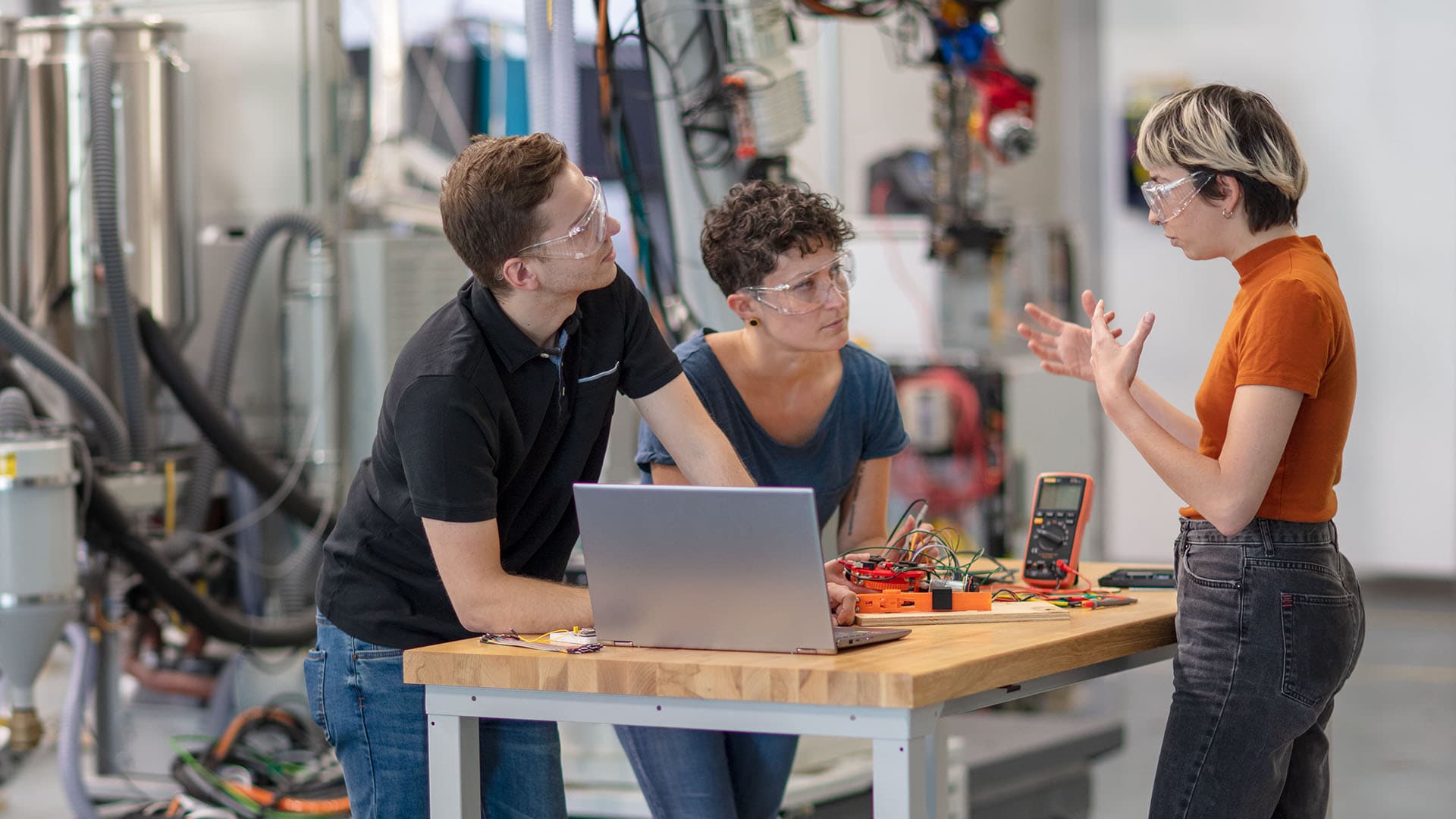
Man and woman stand in front of open laptop in an industrial setting.

Image courtesy of Haas

Borrowing ideas is only the beginning. Convergence creates value when organizations connect information, workflows, and expertise so knowledge moves more easily across teams, projects, and industries.

Advances in AI, connected data, and cloud platforms are making those connections easier. Organizations can increasingly apply proven approaches developed in one context to entirely different challenges, reducing friction while accelerating innovation.

As Natasha Luthra, chief technology officer for HKS, an architectural services firm based in Dallas, TX, explains, "The biggest lift that we are doing right now is building out an entire data infrastructure," she says. "We can't do any of this without having a robust data infrastructure, and that is our biggest investment to begin with this year."

That experience reflects a broader shift across Design and Make industries. Organizations are increasingly discovering that AI, automation, and new digital capabilities deliver their greatest value when they are built on connected, trusted data that moves across teams and workflows.

One example is graphical visualization technology. Sixty-four percent of organizations outside Media & Entertainment now report using graphical visualization tools, demonstrating how technologies developed for one industry increasingly create value across many others. Digital twins, industrialized construction, extended reality, and spatial intelligence are following a similar pattern.

Autodesk customer adoption reflects this broader pattern. Between 2024 and 2025, use of the manufacturing solutions Vault Professional and Inventor Professional among AEC customers increased 29% and 28%, respectively. Meanwhile, Forma Build adoption among manufacturing customers increased 88%, and Media & Entertainment customers increased use of the AEC Collection by 14%. Together, these trends suggest organizations are becoming more willing to adopt tools and workflows that originated outside their traditional disciplines when they solve real business problems.

Headshot of YoungGeun Kim

“The construction industry is years ahead of engineering in adopting digital project management, so we’re constantly learning from construction’s best practices.”

— Younggeun Kim, Director, R&D Center, Kunhwa Engineering & Construction, an engineering company based in Seongnam, South Korea

Use of graphic visualization tools spans Design and Make industries

Survey question: In the previous question, you said your organization adopts digital techniques and tools from other industries; which specific cross-industry techniques and tools? Please select all that apply. Percent selected. Source: Autodesk's 2026 State of Design & Make AI Pulse.

Solution spotlight

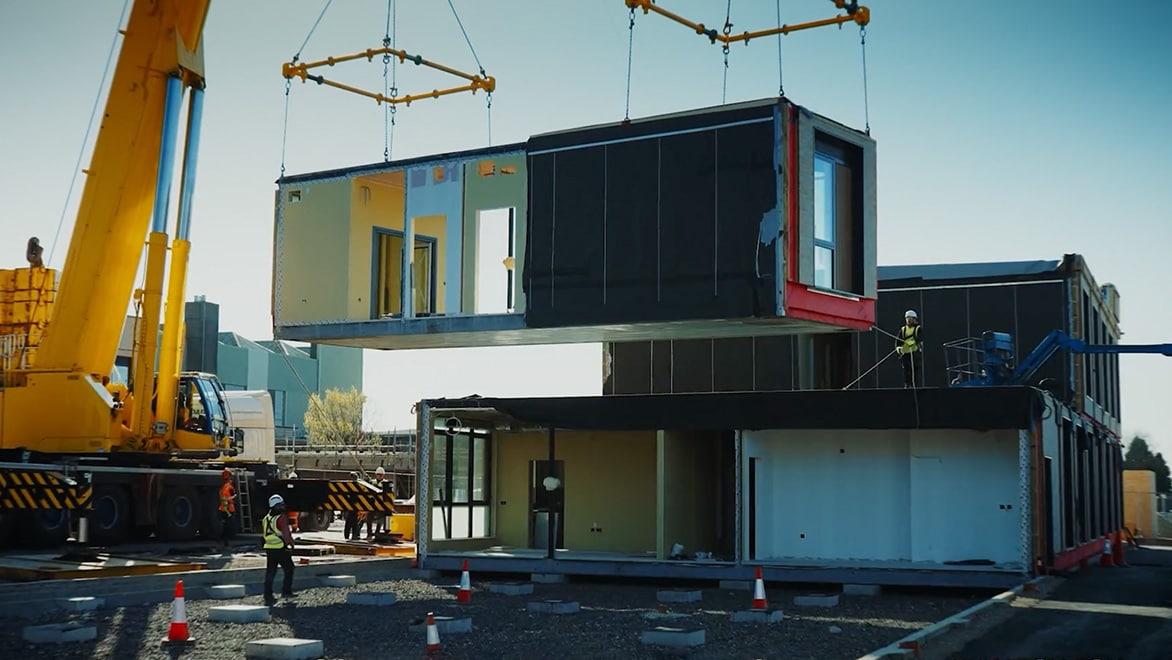
Crane lifts container onto building on a job site.

Reds10 connects design, manufacturing, and construction to build faster

Reds10 is replacing fragmented project handoffs with connected workflows spanning design, manufacturing, and construction. A shared digital environment for project information, combined with AI that automates routine tasks, has improved coordination across the project lifecycle. The results: schools delivered 40% faster; factory labor reduced 30%, and design timelines cut in half—from 12 weeks to six.

Pacesetters build connected operating models

Man works at computer station in an office.

Pacesetters distinguish themselves not simply by looking beyond their own industries, but by building the infrastructure that allows ideas, information, and expertise to move throughout the organization.

Compared with mainstream organizations, they are far more likely to connect systems through APIs (91% vs. 60%), establish dedicated AI integration teams (94% vs. 61%), and assign ownership for internal data (93% vs. 66%).

Bottom line, organizations consistently outperform when they connect technology, trusted data, workflows, and people into a coordinated operating model.

Connection makes organizations more adaptable

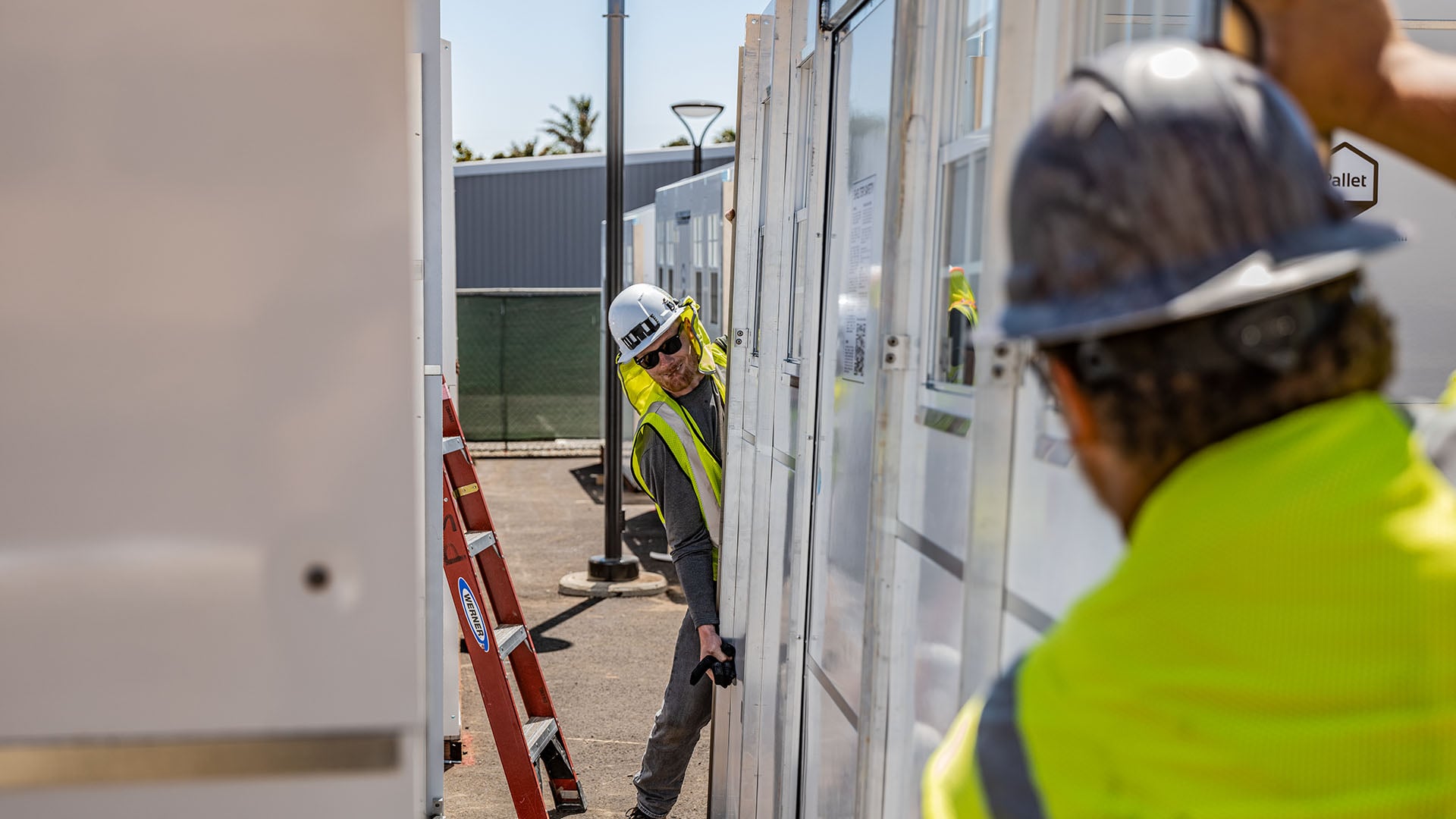
Two men wearing high vis vests and hard hats work together to lift shed.

Image courtesy of Pallet

Organizations often think of resilience as the ability to withstand disruption. But that depends on how effectively they connect information, capabilities, and partners before disruption occurs. 

Supply-chain diversification illustrates that shift. More organizations report diversifying supply chains (68%, up three percentage points since 2025), while concern that geopolitical tensions will make supply chains fragile has eased after peaking in 2025. Together, these findings suggest organizations are becoming more proactive about building flexibility into how they operate.

The broader lesson extends beyond supply chains. Organizations that connect data, workflows, teams, and expertise are often better positioned to respond as conditions change, identify new opportunities, and adapt more quickly when disruption occurs.

Supply-chain diversification points to increased resiliency

Survey question: How much do you agree or disagree with the following? 5-point scale, top two = “agree” or “strongly agree.”

Headshot of Sheik Uduman

“A data-driven approach gives us a single source of truth, helping us better assess design risks and deliver projects on time.”

— Sheik Uduman, Head of BIM & Digital Technologies, RSP Architects Planners & Engineers, an architecture and engineering firm based in Singapore